Understanding Blown-In Insulation Costs
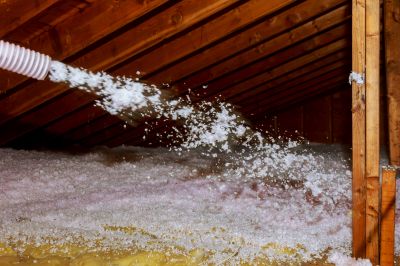
Different blown-in insulation materials, such as fiberglass or cellulose, vary in cost depending on quality and R-value.
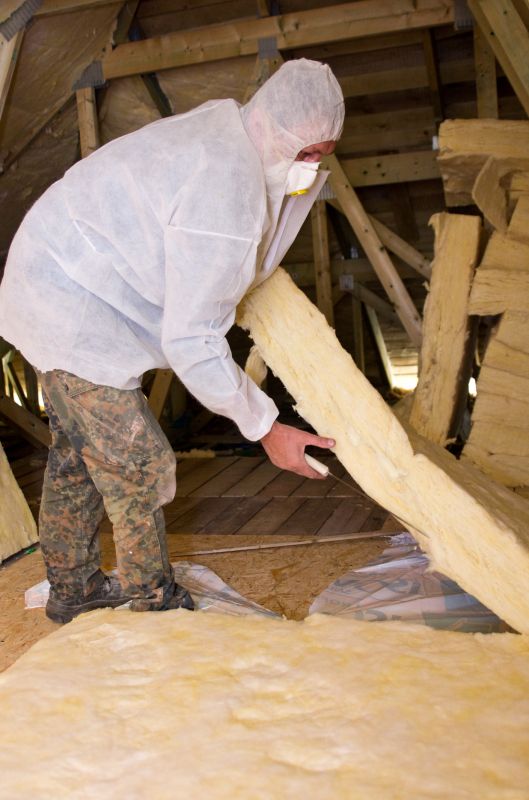
The size and complexity of the space influence labor and material requirements, affecting overall costs.
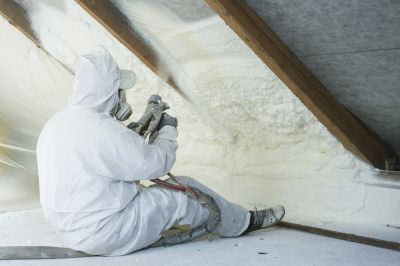
Easier access to attics or walls can reduce installation time and costs, while hard-to-reach areas may increase expenses.
| Factor | Impact on Cost |
|---|---|
| Material Type | Fiberglass tends to be less expensive than cellulose or mineral wool. |
| Area Size | Larger areas increase total costs proportionally. |
| Installation Complexity | Complex or tight spaces may require additional labor and equipment. |
| Existing Insulation | Removing old insulation can add to the overall expense. |
| Location | Regional labor rates and material costs influence the final price. |
| Insulation Density | Higher density materials generally cost more but offer better R-values. |
| Energy Efficiency Goals | Higher R-value requirements can increase material costs. |
| Project Scope | Whole-house insulation is more cost-effective per square foot than partial upgrades. |
The cost of blown-in insulation varies based on multiple factors, including the type of material used, the size of the area being insulated, and the accessibility of the installation site. Generally, the price per square foot ranges from a moderate to higher level depending on these variables. For standard attic insulation, costs can typically fall within a specified range, but complex projects or larger spaces may incur additional charges. Proper assessment of the specific project requirements ensures accurate budgeting and efficient use of resources.
In terms of budgeting, homeowners and property managers should consider both material and labor costs. Material costs are influenced by the chosen insulation type and R-value, while labor costs depend on the complexity of installation and regional rates. It is advisable to obtain detailed estimates that account for potential additional expenses such as removal of existing insulation or dealing with difficult access points. Investing in quality installation can lead to better energy efficiency and long-term savings, making it a worthwhile consideration despite the initial investment.
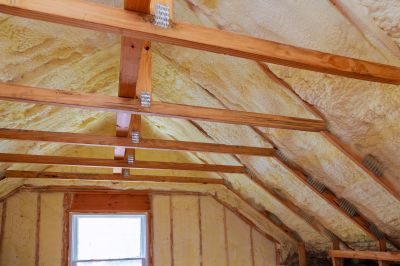
Cost considerations for attic insulation include space size, accessibility, and existing insulation layers.
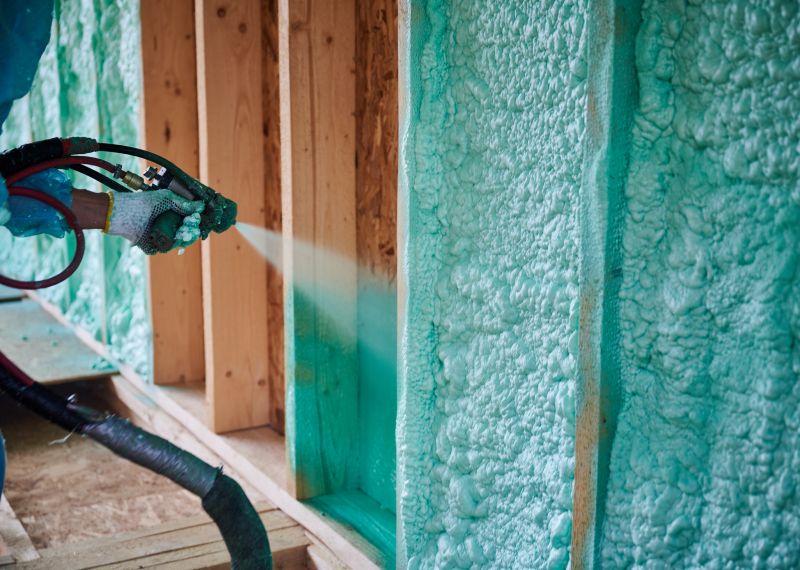
Insulating wall cavities with blown-in material involves different costs based on wall thickness and accessibility.
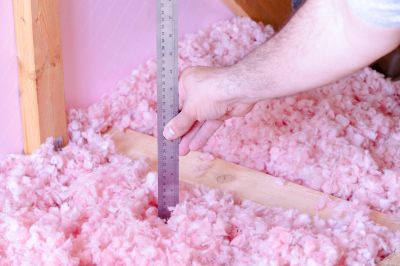
Specialized equipment and tools can influence installation costs, especially in tight or complex spaces.
| Service | Average Cost Range |
|---|---|
| Attic Insulation | $1.00 - $2.00 per sq ft |
| Wall Insulation | $1.50 - $3.00 per sq ft |
| Crawl Space Insulation | $2.00 - $4.00 per sq ft |
| Basement Insulation | $2.50 - $5.00 per sq ft |
| Attic Air Sealing | $300 - $1,000 per project |
| Insulation Removal | $1.00 - $2.50 per sq ft |
| Duct Insulation | $2.00 - $4.00 per sq ft |
| Vapor Barrier Installation | $0.50 - $1.50 per sq ft |
| Blown-In Insulation for Attic | $1.00 - $2.00 per sq ft |
| Blown-In Wall Insulation | $1.50 - $3.00 per sq ft |