Drywall Patching in Wilmington, NC
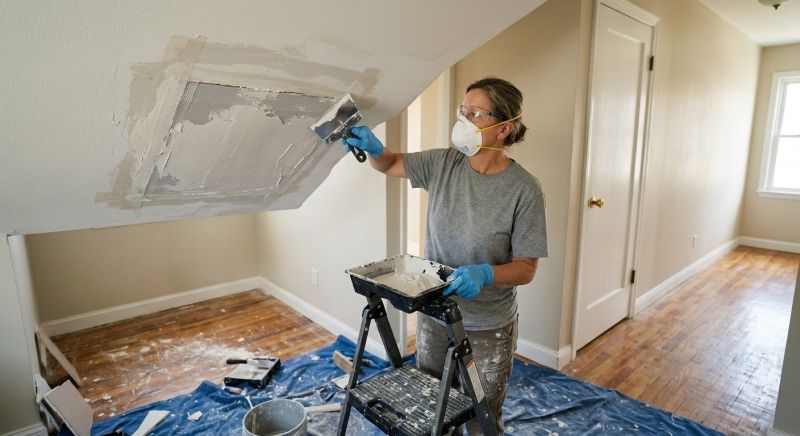
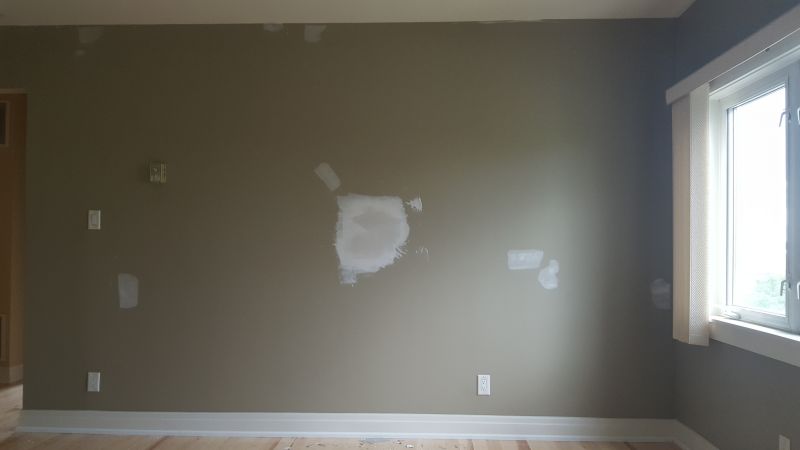
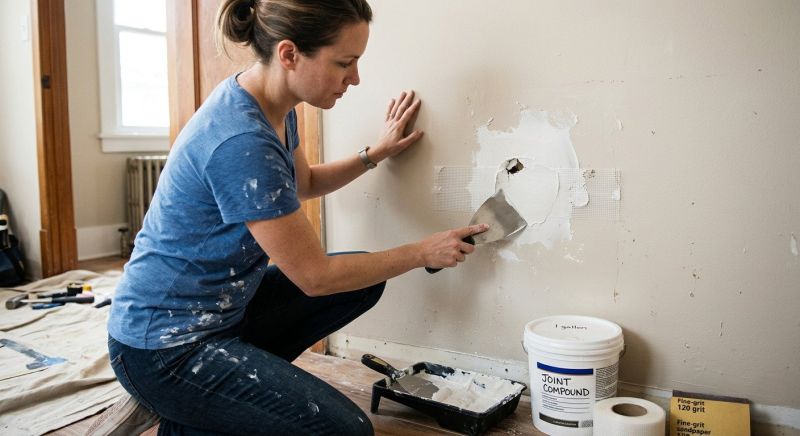
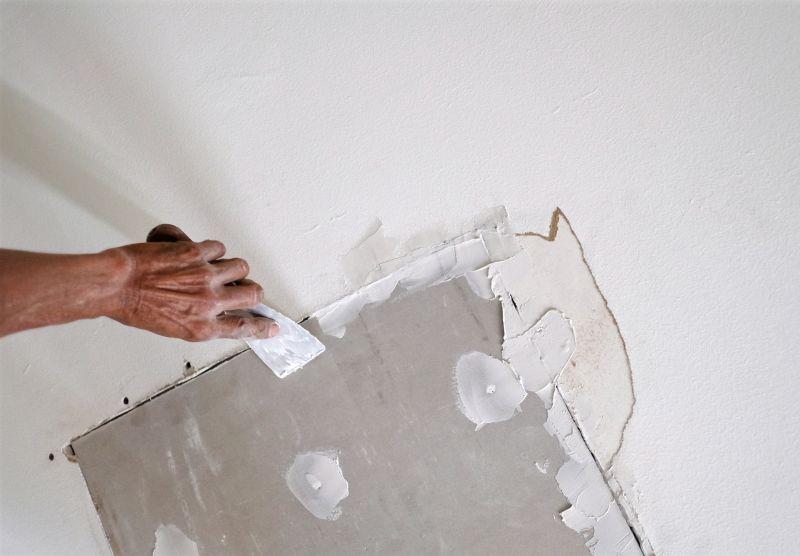
Drywall patching services involve repairing damage or imperfections on existing drywall surfaces to restore a smooth, seamless appearance. This service is commonly used for fixing holes, cracks, dents, or water damage caused by everyday wear or accidental impacts. Projects can range from small touch-ups in a single room to larger repairs after drywall has been punctured or compromised during renovations or remodeling efforts. Homeowners often seek drywall patching to prepare walls for painting or to improve the overall aesthetic of interior spaces.
Before requesting drywall patching, property owners should consider the extent of the damage and whether the area requires additional preparation, such as sanding or priming. It's helpful to understand if the repair involves matching existing textures or finishes, especially in areas with decorative wall treatments. Clear communication about the size and nature of the damage can ensure the repair process is efficient and results in a smooth, uniform surface that blends seamlessly with the surrounding wall.
Many property owners in Wilmington, NC look into Drywall Patching for repairs, replacements, upgrades, and appearance-related improvements.
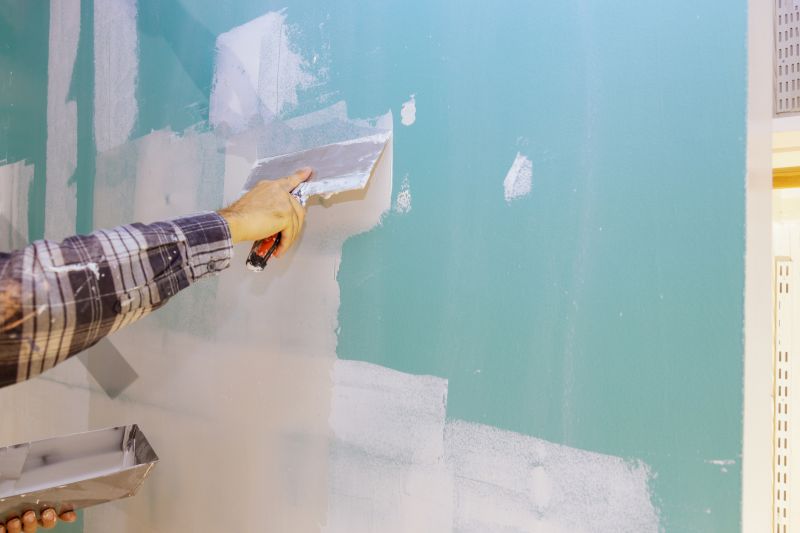
Wall Repair And Restoration
Drywall patching effectively repairs holes, dents, and cracks in interior walls.
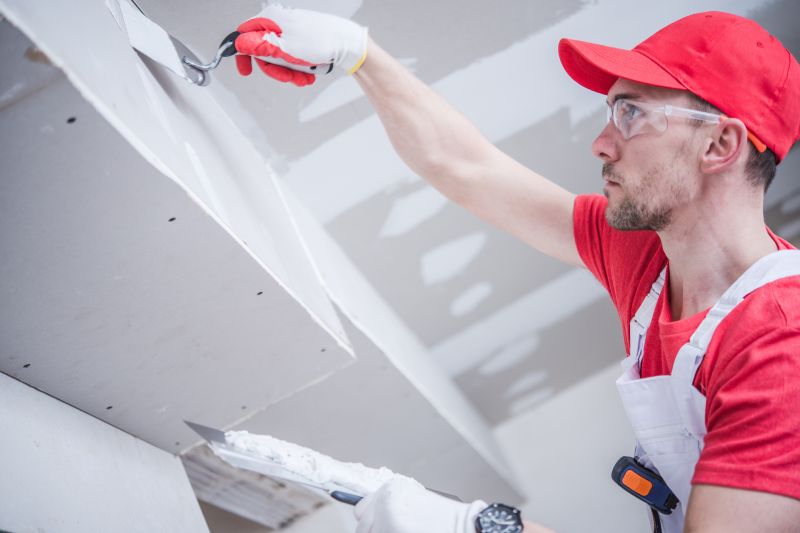
Damage Concealment
Seamless patching restores the appearance of damaged drywall in residential and commercial spaces.
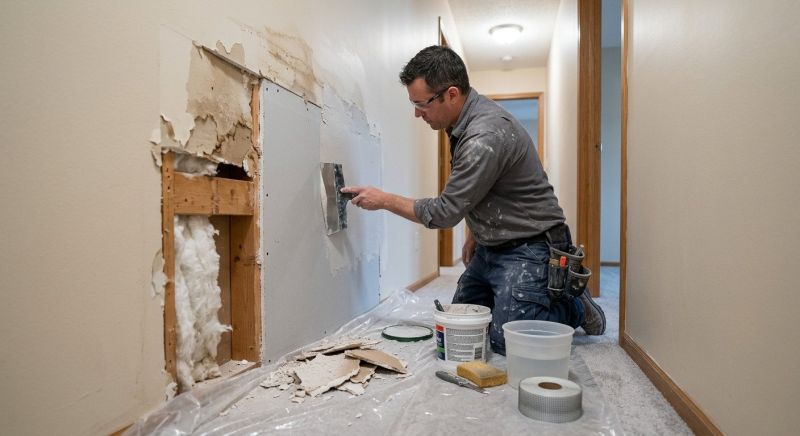
Maintenance And Upkeep
Regular patching helps maintain the integrity and aesthetics of drywall surfaces in wilmington, nc.
Drywall Patching in Wilmington, NC
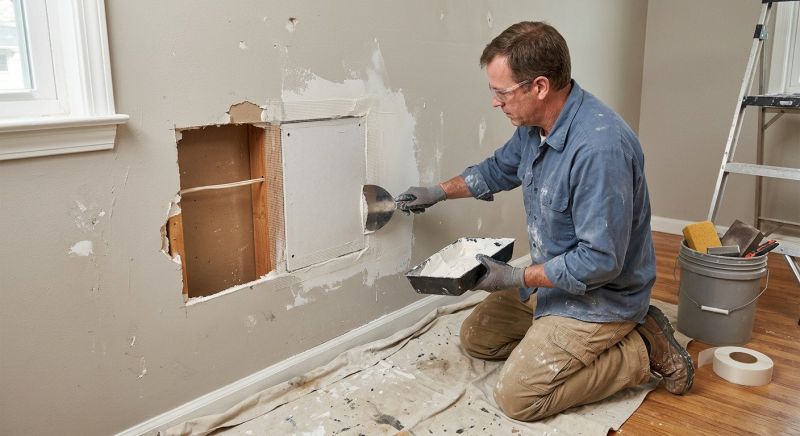
Drywall patching services involve repairing damage or imperfections on existing drywall surfaces to restore a smooth, seamless appearance. This service is commonly used for fixing holes, cracks, dents, or water damage caused by everyday wear or accidental impacts. Projects can range from small touch-ups in a single room to larger repairs after drywall has been punctured or compromised during renovations or remodeling efforts. Homeowners often seek drywall patching to prepare walls for painting or to improve the overall aesthetic of interior spaces.
Before requesting drywall patching, property owners should consider the extent of the damage and whether the area requires additional preparation, such as sanding or priming. It's helpful to understand if the repair involves matching existing textures or finishes, especially in areas with decorative wall treatments. Clear communication about the size and nature of the damage can ensure the repair process is efficient and results in a smooth, uniform surface that blends seamlessly with the surrounding wall.
Many property owners in Wilmington, NC look into Drywall Patching for repairs, replacements, upgrades, and appearance-related improvements.
Common Drywall Patching Jobs
Drywall Repair - fixes holes, cracks, and dents for a smooth wall surface.
Water Damage Patching - restores drywall affected by leaks or flooding.
Crack and Seam Repair - addresses settlement cracks and seam separations.
Texture Matching - blends patched areas to match existing wall finishes.
Hole Patching - fills large or small holes caused by accidents or renovations.
Surface Refinishing - prepares walls for painting or wallpaper installation.
Drywall Patching Questions
What types of drywall damage can be patched? Common issues include holes, cracks, dents, and water stains that can be repaired with patching techniques.
Is drywall patching suitable for large holes? Yes, drywall patching can effectively repair both small and large holes, often involving patching and finishing for a seamless look.
Will patching drywall match the existing wall texture? Patching can be finished to match the surrounding wall texture, ensuring a uniform appearance after repair.
What should property owners know before requesting drywall patching? Proper preparation and assessment help determine the best repair method and ensure a smooth, durable finish.
Request Drywall Patching in Wilmington, NC
Use the quote form on this page to share the basics of your project and request more information for the type of work you need.